 PraxiLabs A virtual world of science

Last Updated on April 22, 2026 by Muhamed Elmesery
Science education is evolving beyond traditional classrooms, with learning apps for science experiments and virtual labs transforming how students explore complex concepts.
These apps provide interactive, hands-on experiences that allow learners to conduct experiments, visualize scientific processes, and practice safely—anytime and anywhere.
By combining simulation technology with real-world applications, the best science learning apps make experimentation more accessible, engaging, and effective for students at all levels.
Table of Contents
What are learning apps for science?
Learning apps for science are digital tools (mobile-based or web-based) that help students understand complex scientific concepts in an interactive way, moving away from traditional methods.
These learning apps combine multimedia, simulations, quizzes, and real-time feedback to make science more engaging, immersive, and easier to grasp.
What makes a good science app?
Choosing an effective science learning app goes beyond sleek design—it’s about finding a tool that combines interactivity, accuracy, and real educational value.
The best learning apps for science not only simplify complex scientific concepts but also provide hands-on experiences, personalized feedback, and flexible access to learning.
The table below highlights the key features that define a high-quality science app and what to look for when evaluating your options.
| Feature | Why It Matters | What to Look For |
| Interactivity | Enhances engagement and deepens understanding of complex concepts | Simulations, virtual experiments, quizzes, and drag-and-drop activities |
| Curriculum Alignment | Ensures content matches academic standards and learning objectives | Content mapped to school/university curricula |
| Real-Time Feedback | Helps students correct mistakes and learn faster | Instant results, hints, and guided corrections |
| Ease of Use | Makes learning smooth and accessible for all users | Simple interface and intuitive navigation |
| Accessibility & Flexibility | Supports learning anytime, anywhere | Mobile compatibility, offline access and cross-device syncing |
| Visual & Interactive Design | Improves retention through engaging visuals | Animations, 3D models and interactive diagrams |
| Safe Experimentation | Allows risk-free practice of lab experiments | Virtual labs and experiment simulations without hazards |
| Progress Tracking | Keeps students motivated and aware of their improvement | Dashboards, performance analytics and achievement tracking |
| Content Variety | Supports different learning styles and keeps users engaged | Videos, simulations, quizzes, readings |
| Scalability for Educators | Helps teachers manage and monitor student learning effectively | Classroom management tools, assignments, and reporting features |
Benefits of getting edtech into STEM experiments:
- Integrating EdTech into STEM experiments directly impacts students’ scientific confidence and performance.
- Converting knowledge into tangible experience: When students see the results with their own eyes instead of just reading about them, they feel that they truly understand rather than just memorize.
- Developing problem-solving skills: EdTech, such as science learning apps, places students in real situations that require analysis and decision-making, which strengthens their confidence in their abilities.
- Reducing fear of mistakes: The experimental environment (especially virtual) allows for safe trial and error, enabling learning without fear of failure.
- Promoting independence: Conducting the experiment independently gives students a sense of achievement and self-reliance.
- Connecting science with real life: When they see the practical applications of science, their confidence in their ability to understand the world around them increases.
Explore: Engaging Science Experiments in Virtual Labs
Science learning apps: Aligning with modern education trends
Science learning apps for students are aligning with modern education trends by shifting from passive content consumption to active, immersive, and personalized experiences.
These apps integrate artificial intelligence (AI), virtual reality (VR), and gamification to facilitate inquiry-based learning, allowing students to conduct virtual experiments and explore complex scientific concepts.
Examples of Key Alignment with Modern Trends:
- AI-powered personalization for modern apps.
- Immersive technologies such as virtual and augmented reality.
- Gamification and engagement to boost motivation.
- Inquiry-based learning to encourage curiosity and exploration.
How do virtual labs support practical learning?
Virtual labs support practical learning by providing interactive, web-based simulations that allow students to perform experiments anytime and anywhere, breaking the constraints of physical space and equipment availability.
Research shows that despite the overlapping affordances of virtual labs and physical labs offered during experimentation, their unique affordances can affect learning in different ways.
On the one hand, the ability to visualize abstract concepts (e.g., light rays, particles, current flow) and modify parameters, such as time and dimensions, is a unique affordance of virtual labs.
For example, in a study by Finkelstein et al., university students working with a virtual laboratory for electrical circuits in which they could manipulate parameters (e.g., voltage) and visualize current flow outperformed the students working with physical materials, to whom such affordances were not offered. The virtual environment offers additional visualization of current flow.
Explore: Why Educational Simulations are Essential in Modern Education?
Learning apps for science: Choosing the best
Choosing the best science learning apps isn’t just about popularity—it’s about finding tools that truly enhance understanding, engagement, and practical skills. With countless options available, students and educators should focus on a few key criteria that define an effective app:
- Interactive Learning Experience: The best apps go beyond passive content, offering simulations, quizzes, and hands-on activities that make complex concepts easier to grasp.
- Comprehensive Subject Coverage: Look for apps that cover multiple disciplines such as physics, chemistry, and biology to support well-rounded learning.
- Real-Time Feedback: Immediate feedback helps students identify mistakes and improve faster, accelerating the learning process.
- Accessibility and Flexibility: Top apps allow learners to study anytime, anywhere, making education more convenient and adaptable to different schedules.
- Engaging and Gamified Content: Features like progress tracking and interactive visuals keep students motivated and consistent in their learning journey.
- Safe Experimentation Environment: Especially in science, apps that simulate lab experiments enable students to practice without risks or equipment limitations.
Example: The PraxiLabs mobile app for learning science is a strong choice for science learners, offering over 210 interactive experiments in physics, chemistry, and biology within a realistic virtual lab environment. It enables students to conduct experiments safely, receive instant feedback, and build practical skills without the constraints of physical laboratories.
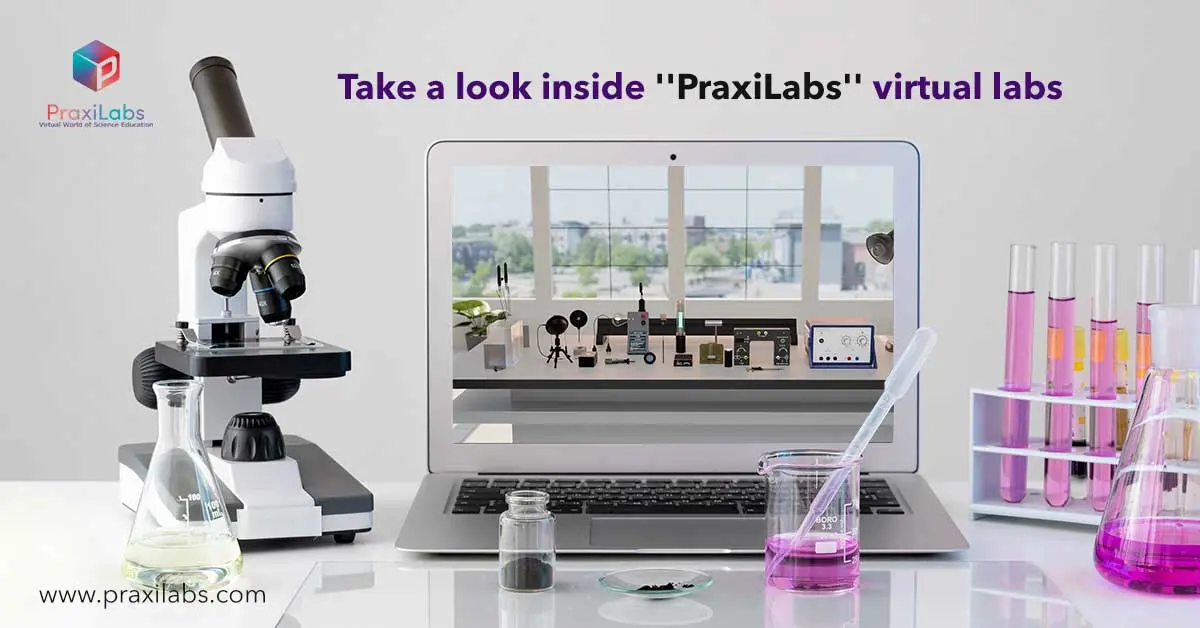
Take a look inside PraxiLabs’ virtual labs:
PraxiLabs is a leading e-learning company that provides interactive 3D virtual lab simulations that are safe, affordable and accessible anytime/anywhere for educational institutions and students in more than 20 science branches.
Among the leading innovations in apps for science learning, the PraxiLabs mobile app stands out as one of the best learning apps for science students powerful tool for immersive, hands-on education. Designed to bring laboratory experiences directly to students’ devices, the app offers a wide range of interactive virtual experiments across physics, chemistry, and biology.
Overview of PraxiLabs’ Features and Capabilities:
- 3D Immersive Interaction.
- Anytime, Anywhere.
- Personalized & Adaptive to Learning Styles.
- Game-Like Simulations for Students.
- Real-World Lab Experience.
- Adaptive to Learning Styles.
- Practice-Centric Simulations.
- User-Friendly Experience.
- Bilingual, with Simulation Language Customization (upon request).
- Instant Guidance & Feedback.
- 24/7 Customer Support.
- Smooth LMS Integration.
- Fast, Easy, & Accurate Reports for Growth.
FAQs about Learning Apps for Science
Is immersive lab worth it?
Yes—especially for engagement and practical skills. Immersive and virtual labs significantly boost motivation and interaction, but they work best as a supplement, not a full replacement for real labs.
Which app is best for learning science experiments?
Top apps include PraxiLabs that offers realistic simulations, interactive experiments, and curriculum-aligned content. The best choice depends on your level and subject focus.
How accurate are virtual science experiments?
Generally accurate for learning concepts and procedures. They can closely simulate real outcomes and improve performance, but may not fully replicate real-world complexity or hands-on variability.